

Colorectal cancer & genetics – what should we know, what’s new?
Tuesday, 1 December 2026, 12:00 pm
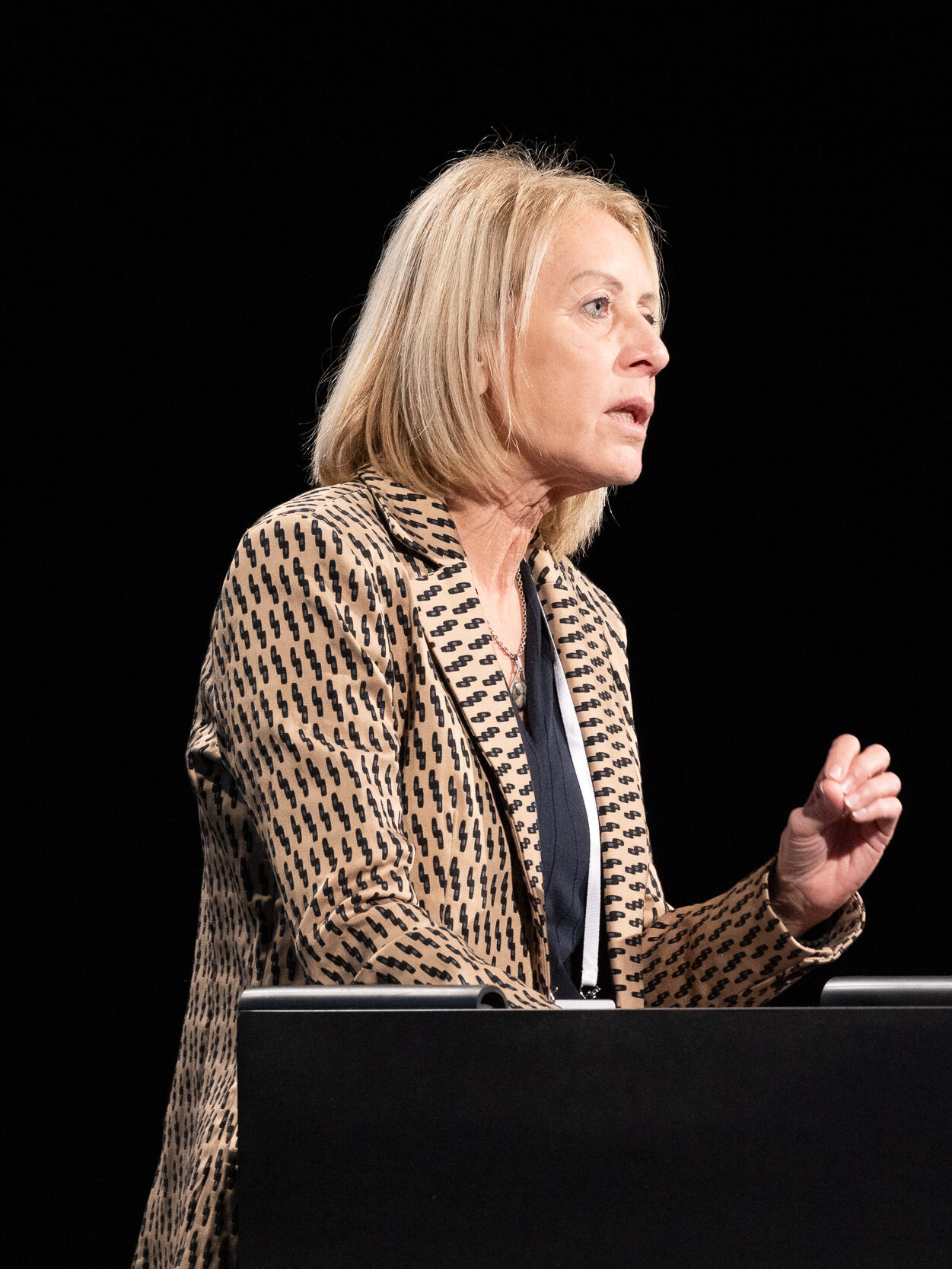
Gabriela Möslein
Gabriela Möslein highlights why genetic assessment is becoming increasingly relevant in colorectal cancer care — not only for identifying hereditary syndromes such as Lynch syndrome and polyposis, but also for guiding surveillance and management of patients and their families. For colorectal surgeons, the key message is practical: recognising when genetics matters can influence treatment, follow-up and prevention across generations.
About Gabriela Möslein
Prof. Dr. Gabriela Möslein is a specialist in visceral and colorectal surgery and heads the Center for Hereditary Tumors at Evangelisches Krankenhaus BETHESDA in Duisburg, with a clinical focus on hereditary gastrointestinal cancers and prophylactic surgery. She has played a longstanding role in international hereditary-cancer research and guideline development, including the European guidelines for Lynch syndrome and work on FAP and other hereditary polyposis syndromes. Her research bridges molecular genetics and surgical decision-making, with particular emphasis on how genetic risk can inform prevention, surveillance and individualized colorectal surgery.
European Colorectal Congress 2026
See the full program and secure your seat.
You might also be interested in
-

Strategies for obstructed cancers in the emergency
Fabian Grass frames emergency management of obstructing colorectal cancers around rapid stabilization, careful assessment of resectability and patient fitness, and choosing an…
-
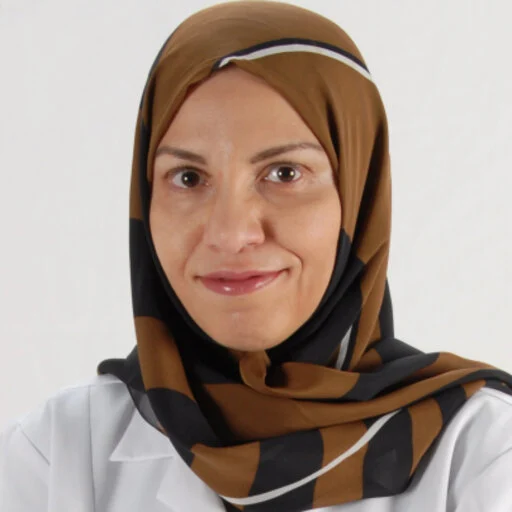
Prevention after APR
Samar Alhomoud highlights the importance of anticipating perineal complications rather than managing them after they develop.
-

Lessons learned from the Norwegian stoma trial
Lars Grønvold’s advocates for large-scale, prospective, multicentre data as they can clarify whether the benefits of anastomotic protection outweigh stoma-related morbidity and…