• EAES Lecture: Advanced imaging and AI in colorectal surgery

    EAES Lecture: Advanced imaging and AI in colorectal surgery

    EAES Lecture: Advanced imaging and AI in colorectal surgery

    Tuesday, 1 December 2026, 6:10 pm
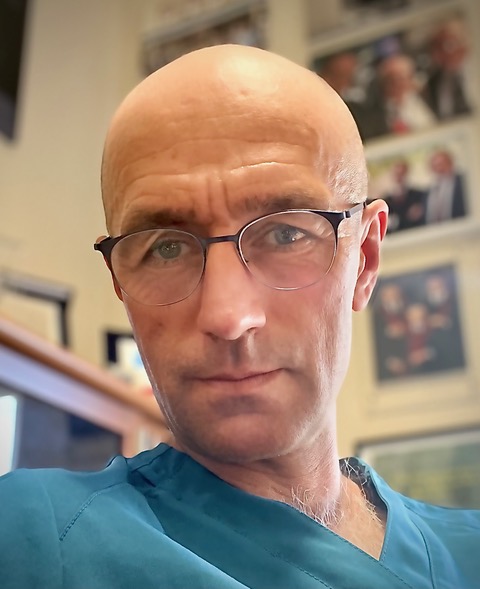
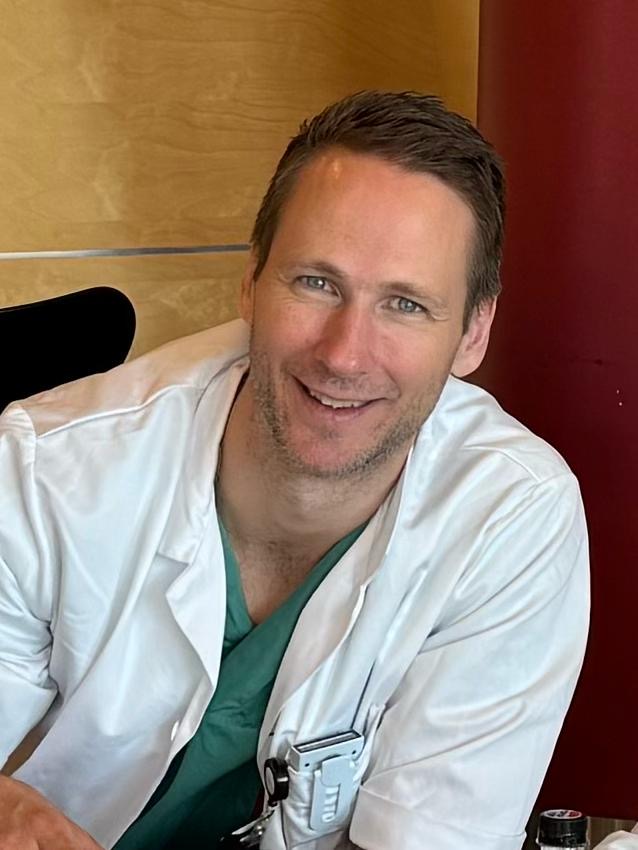
    Luigi Boni

    Milano, IT

    Luigi Boni argues that advanced imaging —particularly fluorescence-guided techniques — can make key features such as bowel perfusion and anatomy visible in real time. This gives colorectal surgeons information that’s beyond what they can see with conventional white-light vision. The next step is to combine these imaging capabilities with AI, allowing computer vision to interpret complex intraoperative data and potentially support decisions such as identifying perfusion, dissection planes, and surgical phases. For colorectal surgery, the idea is not to replace the surgeon’s judgment, but to add objective, real-time info while acknowledging that robust clinical validation is still needed before these technologies become standard practice.

    About Luigi Boni

    Luigi Boni is Director of General and Minimally Invasive Surgery at the Fondazione IRCCS Ca’ Granda Ospedale Maggiore Policlinico in Milan and Full Professor of Surgery at the University of Milan. Trained in surgical oncology in Italy and in minimally invasive techniques with Sir Alfred Cuschieri in Dundee, he has pioneered laparoscopic and robotic colorectal procedures, including transanal approaches and fluorescence‑guided surgery, and has performed thousands of gastrointestinal operations. An active educator and leader in European endoscopic surgery societies, he has authored hundreds of peer‑reviewed articles and chapters and regularly teaches and demonstrates advanced colorectal techniques at international courses and congresses.

    European Colorectal Congress 2026

    See the full program and secure your seat.

    You might also be interested in

  • Prevention & Repair of parastomal hernia

    Prevention & Repair of parastomal hernia

    Prevention & Repair of parastomal hernia

    Tuesday, 1 December 2026, 5:40 pm

    Salvador Morales Conde

    Sevilla, ES

    Salvador Morales-Conde frames parastomal hernia management around prevention at the index operation, emphasising meticulous stoma construction and prophylactic mesh in appropriately selected patients. For established parastomal hernias, he advocates a tailored repair strategy based on defect characteristics and patient factors, with techniques designed to reinforce the abdominal wall and minimize recurrence. His main message is to treat prevention and repair as part of a continuum of abdominal wall reconstruction, rather than as isolated stoma-related procedures.

    About Salvador Morales Conde

    Salvador Morales Conde is the Head of General and Digestive Surgery at Hospital Quirónsalud Sagrado Corazón, as well as the Chief of Innovation in Minimally Invasive Surgery at the University Hospital Virgen del Rocío in Seville, Spain. He has achieved international recognition for his contributions to minimally invasive and abdominal wall surgery, with a particular focus on hernia surgery and complex abdominal wall reconstruction. He has contributed to the literature on parastomal and incisional hernias, including the development of European guidelines on prophylactic measures and the management of established parastomal hernias. In 2025, he was elected President of the European Hernia Society, a position that served to emphasise his role in standardising mesh-based prevention and centralised, technique-driven repair strategies for colorectal surgeons.

    European Colorectal Congress 2026

    See the full program and secure your seat.

    You might also be interested in

  • How to avoid and treat skin-related complications

    How to avoid and treat skin-related complications

    How to avoid and treat skin-related complications

    Tuesday, 1 December 2026, 5:10 pm

    Jacqueline Metzger

    Luzern, CH

    When a stoma is needed, protecting the skin around a stoma starts before the operation. Jacqueline Metzger, a Swiss expert in stoma care, explains how important it is to position stomas carefully, choose the right equipment and teach patients how to take care of their stomas to prevent skin problems. When problems do occur, it’s important to look into them as soon as possible and to make sure that each patient gets their own stoma care. This can help us to find out what is causing the problem and make sure that the skin around the stoma heals properly. This is an important part of making sure that patients with colorectal problems have good long-term results.

    About Jacqueline Metzger

    Jacqueline Metzger is a Swiss specialist in stoma, wound and continence care, with extensive clinical experience supporting patients before and after colorectal surgery. Based at Luzerner Kantonsspital, she is involved in stoma counselling, including preoperative stoma-site assessment, patient education, appliance selection and management of peristomal skin complications. Her clinical and educational work focuses on practical strategies to prevent and treat stoma-related complications and optimize patients’ long-term outcomes.

    European Colorectal Congress 2026

    See the full program and secure your seat.

    You might also be interested in

  • How to avoid a stoma?

    How to avoid a stoma?

    How to avoid a stoma?

    Tuesday, 1 December 2026, 4:50 pm

    Jérémie Lefevre

    Paris, FR

    Jérémie Lefevre contends that routine prophylactic diverting stomas after low anterior resection unnecessarily subject most patients to stoma-related complications, since only a fraction will suffer an anastomotic leak. He therefore recommends a strategy of deferred diversion using a temporary endoluminal bypass sheath for the first 10 postoperative days to protect the anastomosis while avoiding stoma formation in patients who heal uneventfully. This approach aims to retain the safety of diversion for true high-risk cases while markedly reducing the overall rate of stomas and their associated morbidity, costs, and second operations.

    About Jérémie Lefevre

    Jérémie Lefevre is Professor of Digestive Surgery at Sorbonne University and head of colorectal surgery at Saint-Antoine Hospital in Paris, where he specializes in complex colorectal cancer, hereditary syndromes, inflammatory bowel disease, and anastomotic complications. As a leading investigator in the GRECCAR group and principal investigator of international trials such as SAFE‑3, he has published more than 280 peer‑reviewed articles and serves as General Secretary of the French Society of Digestive Surgery.

    European Colorectal Congress 2026

    See the full program and secure your seat.

    You might also be interested in

  • Lessons learned from the Norwegian stoma trial

    Lessons learned from the Norwegian stoma trial

    Lessons learned from the Norwegian stoma trial

    Tuesday, 1 December 2026, 4:30 pm

    Lars Grønvold

    Vestfold, NO

    Lars Grønvold’s advocates for large-scale, prospective, multicentre data as they can clarify whether the benefits of anastomotic protection outweigh stoma-related morbidity and functional impairment, thereby enabling evidence-based surgical decision-making and patient counselling.

    The reason: existing evidence is conflicted and often biased, with stomas potentially reducing leakage severity but introducing significant morbidity and LARS risk. The key message is to translate the trial’s findings into more consistent, evidence-based perioperative practice.

    About Lars Grønvold

    Lars Grønvold is a colorectal surgeon and researcher at the Department of Gastrointestinal Surgery, Vestfold Hospital Trust, Tønsberg, Norway, where he serves as principal investigator and lead author of the Norwegian Stoma Trial. His research focuses on surgical decision-making in rectal cancer reconstruction, particularly the trade-offs between diverting stoma use, anastomotic leakage risk, and long-term functional outcomes including Low Anterior Resection Syndrome (LARS) and health-related quality of life. Through this national, multicentre prospective cohort study, Grønvold aims to generate robust evidence to guide evidence-based counselling of patients facing reconstruction versus permanent colostomy options.

    European Colorectal Congress 2026

    See the full program and secure your seat.

    You might also be interested in

  • Prevention after APR

    Prevention after APR

    Prevention after APR

    Tuesday, 1 December 2026, 2:00 pm

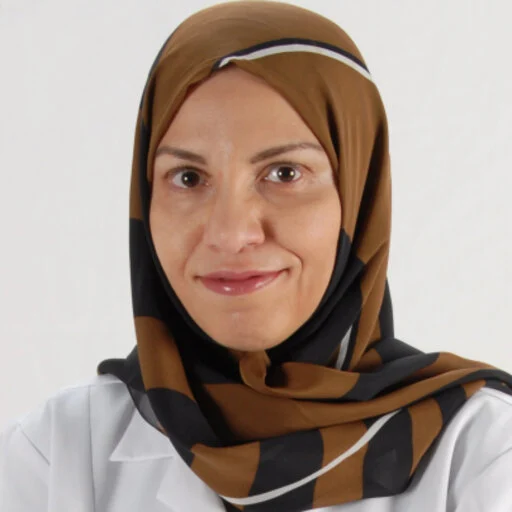
    Samar Alhomoud

    Riyadh, SA

    Samar Alhomoud highlights the importance of anticipating perineal complications rather than managing them after they develop. She focuses on strategies that address the pelvic-floor defect and reduce the risk of perineal wound problems and hernia following APR. As surgical techniques evolve, prevention and tailored reconstruction are becoming an increasingly important part of the APR pathway.

    About Samar Alhomoud

    Samar Alhomoud is a colorectal surgeon and academic clinician from Saudi Arabia, specializing in complex colorectal and pelvic surgery. Her research focuses on colorectal cancer, perioperative outcomes, and multidisciplinary approaches to complex pelvic surgery. She is committed to optimizing surgical care and reducing morbidity following major colorectal procedures.

    European Colorectal Congress 2026

    See the full program and secure your seat.

    You might also be interested in

  • Strategies for obstructed cancers in the emergency

    Strategies for obstructed cancers in the emergency

    Strategies for obstructed cancers in the emergency

    Tuesday, 1 December 2026, 12:30 pm

    Fabian Grass

    Lausanne, CH

    Fabian Grass frames emergency management of obstructing colorectal cancers around rapid stabilization, careful assessment of resectability and patient fitness, and choosing an individualized strategy rather than a one-size-fits-all operation. He emphasizes balancing immediate relief of obstruction against oncologic principles, with options such as decompression, stenting, diversion, or resection with or without a damage control (2-stage) strategy selected according to the clinical and tumor context. For colorectal surgeons, the key message is to use the emergency as an opportunity for structured decision-making that preserves both short-term safety and subsequent oncologic treatment options.

    About Fabian Grass

    Fabian Grass is a colorectal surgeon and researcher whose work focuses on intra- and perioperative optimization strategies, also in the context of complex colorectal cancer and the decision-making challenges of emergency presentations, particularly obstructing colon cancer. His research develops a structured framework for weighing patient physiology, operative risk, and oncological goals when selecting between damage control, decompression, diversion, or resection. He aims to help colorectal surgeons make individualized, evidence-informed decisions in high-stakes emergencies while preserving both immediate safety and future oncological options.

    European Colorectal Congress 2026

    See the full program and secure your seat.

    You might also be interested in

  • Colorectal cancer & genetics – what should we know, what’s new?

    Colorectal cancer & genetics – what should we know, what’s new?

    Colorectal cancer & genetics – what should we know, what’s new?

    Tuesday, 1 December 2026, 12:00 pm

    Gabriela Möslein

    Duisburg, DE

    Gabriela Möslein highlights why genetic assessment is becoming increasingly relevant in colorectal cancer care — not only for identifying hereditary syndromes such as Lynch syndrome and polyposis, but also for guiding surveillance and management of patients and their families. For colorectal surgeons, the key message is practical: recognising when genetics matters can influence treatment, follow-up and prevention across generations.

    About Gabriela Möslein

    Prof. Dr. Gabriela Möslein is a specialist in visceral and colorectal surgery and heads the Center for Hereditary Tumors at Evangelisches Krankenhaus BETHESDA in Duisburg, with a clinical focus on hereditary gastrointestinal cancers and prophylactic surgery. She has played a longstanding role in international hereditary-cancer research and guideline development, including the European guidelines for Lynch syndrome and work on FAP and other hereditary polyposis syndromes. Her research bridges molecular genetics and surgical decision-making, with particular emphasis on how genetic risk can inform prevention, surveillance and individualized colorectal surgery.

    European Colorectal Congress 2026

    See the full program and secure your seat.

    You might also be interested in

  • Early onset colorectal cancer: current views and prospects for the future

    Early onset colorectal cancer: current views and prospects for the future

    Early onset colorectal cancer: current views and prospects for the future

    Tuesday, 1 December 2026, 11:30 am

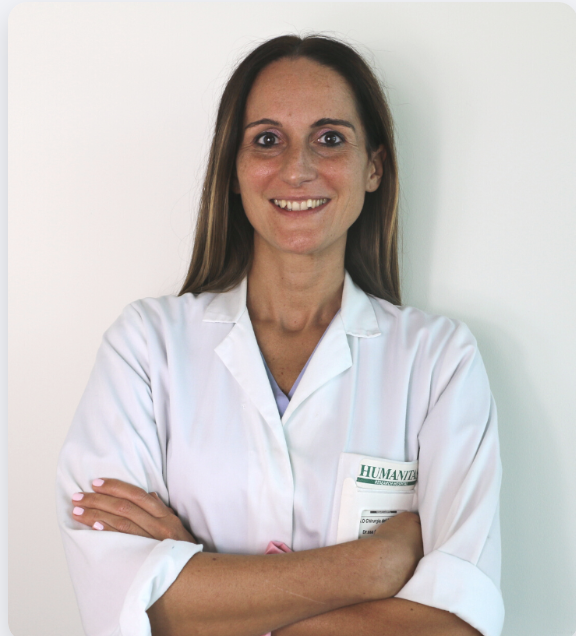
    Caterina Foppa

    Milano, IT

    Early-onset colorectal cancer is more than an age-defined phenomenon: Caterina Foppa highlights distinct clinicopathological and molecular characteristics that warrant greater attention from colorectal surgeons. Younger patients may present with more advanced disease and, in rectal cancer, show less favorable responses to neoadjuvant therapy, challenging the assumption that younger age necessarily translates into better oncological outcomes. The future, therefore, lies in age-specific strategies spanning earlier recognition and prevention through personalized treatment—while further research is needed to clarify the biological drivers of this increasingly important disease.

    About Caterina Foppa

    Caterina Foppa is a colorectal surgeon at IRCCS Humanitas Research Hospital in Milan and Assistant Professor of General Surgery at Humanitas University. Her clinical and research interests focus on early-onset colorectal cancer, rectal cancer, novel colorectal surgical techniques and minimally invasive approaches. She is actively involved in the European Society of Coloproctology, contributing to its research and education activities as well as guideline development, with her research particularly focused on improving the understanding and management of early-onset colorectal cancer.

    European Colorectal Congress 2026

    See the full program and secure your seat.

    You might also be interested in

  • Watch & Wait: are we ready for all rectal cancers?

    Watch & Wait: are we ready for all rectal cancers?

    Watch & Wait: are we ready for all rectal cancers?

    Tuesday, 1 December 2026, 10:00 am

    Rodrigo Perez

    São Paulo, BR

    Perez argues that a “watch-and-wait” strategy for rectal cancer can spare selected patients the morbidity of radical surgery when they achieve a sustained complete clinical response after neoadjuvant therapy. But not all rectal cancers should be managed with watch-and-wait. Instead, he emphasizes that the approach requires rigorous patient selection, standardized response assessment, and intensive surveillance because residual or recurrent disease can occur. For colorectal surgeons, the key question is therefore not whether watch-and-wait should replace surgery, but whether multidisciplinary teams are equipped to identify appropriate candidates and safely manage surveillance and salvage surgery.

    About Rodrigo Perez

    Rodrigo Oliva Perez, MD, PhD, is a leading colorectal surgeon and researcher based in São Paulo, Brazil, with appointments at the University of São Paulo and Hospital Alemão Oswaldo Cruz. He has made seminal contributions to the development and validation of watch-and-wait strategies, particularly in defining clinical complete response, patient selection, surveillance and the management of local regrowth. His work has been instrumental in shaping the contemporary evidence base for non-operative rectal cancer management and has contributed to the evolution of multidisciplinary, organ-preserving care.

    European Colorectal Congress 2026

    See the full program and secure your seat.

    You might also be interested in

  • Abdomino-perineal resection: How I do it

    Abdomino-perineal resection: How I do it

    Abdomino-perineal resection: How I do it

    Tuesday, 1 December 2026, 9:30 am

    Geerard Beets

    Maastricht, NL

    Geerard Beets presents abdominoperineal resection as an oncologically focused procedure in which meticulous pelvic dissection and appropriate specimen geometry are central to achieving clear circumferential margins. His approach reflects the evidence that low rectal cancers undergoing APR have particular risks of CRM involvement and local recurrence, with tumour location and stage influencing these risks. The technique aims to achieve an adequate cylindrical specimen while respecting surrounding pelvic structures and addressing the substantial risk of perineal wound morbidity associated with APR.

    About Geerard Beets

    Geerard Beets is Professor of Surgery at Maastricht University Medical Center and a leading figure in academic colorectal surgery in Europe. His work has contributed to the use of MRI for rectal-cancer staging and circumferential resection-margin assessment, as well as to organ-preserving strategies and improving oncological and quality-of-life outcomes. He is President of the European Society of Surgical Oncology (ESSO) and has published extensively on the multidisciplinary management and surgical treatment of rectal cancer.

    European Colorectal Congress 2026

    See the full program and secure your seat.

    You might also be interested in

  • Strategies for lateral pelvic lymph nodes

    Strategies for lateral pelvic lymph nodes

    Strategies for lateral pelvic lymph nodes

    Tuesday, 1 December 2026, 9:00 am

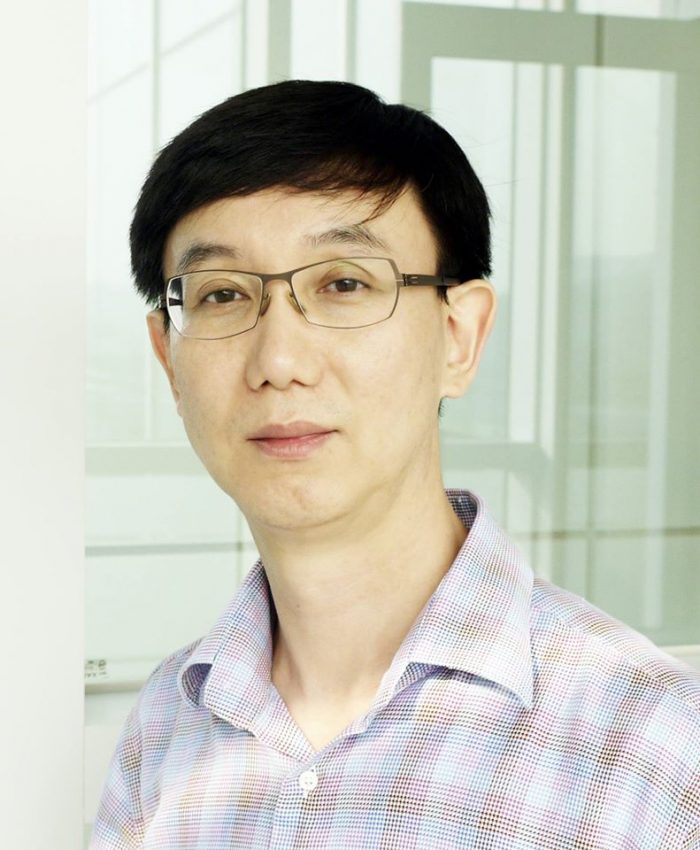
    Gyu-Seog Choi

    Daegu, KR

    Choi argues for a selective, risk-adapted approach to lateral pelvic lymph nodes, using high-quality MRI to identify clinically suspicious nodes rather than treating all low rectal cancers with routine LPN dissection. For colorectal surgeons, the practical message is to integrate pre- and post-treatment MRI, response to neoadjuvant therapy, and the morbidity of LPN dissection when deciding which patients need an extended pelvic operation.

    About Gyu-Seog Choi

    Gyu-Seog Choi is a Professor of Surgery at Kyungpook National University, Republic of Korea, and a colorectal surgeon whose academic work focuses on rectal cancer surgery, minimally invasive techniques, and oncologic outcomes. He has contributed substantially to the evidence base surrounding lateral pelvic lymph node metastasis and dissection, as well as the development and standardisation of robotic and laparoscopic approaches to complex pelvic surgery. By means of clinical research and international publication, he has helped to the advancement of evidence-based strategies for optimising local control and surgical outcomes in patients with advanced low rectal cancer.

    European Colorectal Congress 2026

    See the full program and secure your seat.

    You might also be interested in

  • The Anatomy of Successful Mesocolic Excision: Embryological Planes and Vascular Variations

    The Anatomy of Successful Mesocolic Excision: Embryological Planes and Vascular Variations

    The Anatomy of Successful Mesocolic Excision: Embryological Planes and Vascular Variations

    Monday, 30 November 2026, 6:15 pm

    Mehmet Ayhan Kuzu

    Ankara, TR

    Mehmet Ayhan Kuzu argues that successful complete mesocolic excision starts with embryology: meticulous dissection along the natural visceral–parietal fascial planes preserves an intact mesocolon and exposes the correct vascular anatomy. He emphasizes that vascular variation is the critical operative variable, requiring deliberate identification of arterial and venous anatomy—including the vessels around the pancreas—before central ligation. The practical message is clear: follow the planes, anticipate the variants, know the vessels, and dissect precisely. And: turn CME from a technically demanding procedure into a reproducible anatomical operation.

    About Mehmet Ayhan Kuzu

    Mehmet Ayhan Kuzu is a leading Turkish colorectal surgeon and academic recognized for his work in colorectal cancer surgery, surgical anatomy, and complete mesocolic excision. His research has focused particularly on embryological dissection planes and vascular anatomy, helping advance the anatomical understanding underpinning standardized CME techniques. As a professor and former senior leader in academic surgery, he has played a prominent role in advancing colorectal surgical education and establishing internationally recognized approaches to complex colon cancer surgery. Through his clinical and academic work, Kuzu has contributed to improving the precision, safety, and oncological quality of colorectal surgery.

    European Colorectal Congress 2026

    See the full program and secure your seat.

    You might also be interested in

  • Low anterior resection syndrome and trajectories

    Low anterior resection syndrome and trajectories

    Low anterior resection syndrome and trajectories

    Monday, 30 November 2026, 4:45 pm

    Therese Juul

    Randers, DK

    Low anterior resection syndrome (LARS) is not a static complication but a dynamic, individual trajectory that can evolve over years after rectal cancer surgery. Therese Juul will show why longitudinal assessment with the LARS score is essential to identify patients with persistent and clinically significant dysfunction. For healthcare professionals working with LAR-patients, the message is clear: screen systematically for LARS during follow-up and intervene when major LARS persists.

    About Therese Juul

    Therese Juul is a Danish nurse and researcher whose work has helped shape the modern understanding of LARS. Her research focuses on bowel dysfunction and quality of life after rectal cancer surgery, including the development and validation of the LARS score and prediction tools for postoperative dysfunction. Through longitudinal studies and research on treatment, she has contributed to a more patient-centred approach to functional outcomes after rectal cancer surgery.

    European Colorectal Congress 2026

    See the full program and secure your seat.

    You might also be interested in

  • Near complete response: what to do now?

    Near complete response: what to do now?

    Near complete response: what to do now?

    Monday, 30 November 2026, 3:20 pm

    Geerard Beets

    Maastricht, NL

    Geerard Beets contests the notion that a near-complete response should invariably result in TME, as further tumour regression remains a possibility. A meticulous re-evaluation employing DRE, endoscopy and MRI can identify patients who are eligible for ongoing observation and organ preservation, with close surveillance. Prior to determining whether to operate or await events, he advances a compelling argument for establishing a clear and reproducible definition of a near-complete response.

    About Geerard Beets

    Geerard Beets is Professor of Surgery at Maastricht University Medical Center and a leading figure in academic colorectal surgery in Europe. His work has contributed to the use of MRI for rectal-cancer staging and circumferential resection-margin assessment, as well as to organ-preserving strategies and improving oncological and quality-of-life outcomes. He is President of the European Society of Surgical Oncology (ESSO) and has published extensively on the multidisciplinary management and surgical treatment of rectal cancer.

    European Colorectal Congress 2026

    See the full program and secure your seat.

    You might also be interested in

  • Can we convert CRC-MSS tumors to be responsive to immunotherapy?

    Can we convert CRC-MSS tumors to be responsive to immunotherapy?

    Can we convert CRC-MSS tumors to be responsive to immunotherapy?

    Monday, 30 November 2026, 3:00 pm

    Michael Bergmann

    Wien, AT

    Michael Bergmann argues that MSS colorectal cancers may be made responsive to immunotherapy by reprogramming their immunologically “cold” tumour microenvironment. Combining immunotherapy with treatments such as chemoradiation or oncolytic viruses may enhance tumour immunogenicity and T-cell infiltration. The goal is to turn an immune-resistant tumour into one that the immune system can recognise and attack.

    About Michael Bergmann

    Michael Bergmann is a Professor of Surgery at the Medical University of Vienna and a specialist in visceral and colorectal surgery. His research focuses on colorectal cancer immunology, particularly the mechanisms underlying immune resistance in microsatellite-stable tumours and strategies to overcome it. His translational work bridges surgical oncology with immunotherapy, including neoadjuvant treatment, tumour-microenvironment modulation and oncolytic virotherapy.

    European Colorectal Congress 2026

    See the full program and secure your seat.

    You might also be interested in

  • Brachytherapy: what are the benefits?

    Brachytherapy: what are the benefits?

    Brachytherapy: what are the benefits?

    Monday, 30 November 2026, 2:40 pm

    Cristina Picardi

    Zurich, CH

    Cristina Picardi argues that, for selected rectal-cancer patients, Papillon contact X-ray brachytherapy enables highly targeted intratumoral dose escalation – a key factor in achieving a complete clinical response and, consequently, successful organ preservation. Her Swiss experience, together with her involvement in the randomized OPERA trial, highlights the potential of this approach to increase organ-preservation rates and avoid radical surgery. For colorectal surgeons, Papillon therefore represents an important component of a multidisciplinary organ-preservation strategy.

    About Cristina Picardi

    Cristina Picardi is a Swiss FMH-certified radiation oncologist based in Zürich, with a particular focus on gastrointestinal tumours and organ-preservation strategies for rectal cancer. She has contributed to the introduction and development of contact X-ray brachytherapy (Papillon) in Switzerland. Her recent work focuses on Papillon and its role in organ-preservation strategies, including a Swiss cohort study and the development of a refined multidisciplinary protocol.

    European Colorectal Congress 2026

    See the full program and secure your seat.

    You might also be interested in

  • Which TNT strategy to choose for which cancer

    Which TNT strategy to choose for which cancer

    Which TNT strategy to choose for which cancer

    Monday, 30 November 2026, 2:15 pm

    Rodrigo Perez

    São Paulo, BR

    Rodrigo Pérez emphasizes that the future of total neoadjuvant therapy lies in tailoring treatment to tumor biology and individual risk, rather than applying a one-size-fits-all approach. The optimal sequence and intensity—from induction versus consolidation chemotherapy to the role of radiotherapy—should be selected according to disease characteristics, systemic risk, and the goal of organ preservation. The message: TNT is not a single strategy, but a toolbox to be matched to the right patient and tumor.

    About Rodrigo Perez

    Rodrigo Oliva Perez is a leading colorectal surgeon and researcher based in São Paulo, Brazil, with appointments at the University of São Paulo and Hospital Alemão Oswaldo Cruz. He has made seminal contributions to the development and validation of watch-and-wait strategies, particularly in defining clinical complete response, patient selection, surveillance and the management of local regrowth. His work has been instrumental in shaping the contemporary evidence base for non-operative rectal cancer management and has contributed to the evolution of multidisciplinary, organ-preserving care.

    European Colorectal Congress 2026

    See the full program and secure your seat.

    You might also be interested in

  • Neoadjuvant therapy for colon cancer. Is it worthwhile?

    Neoadjuvant therapy for colon cancer. Is it worthwhile?

    Neoadjuvant therapy for colon cancer. Is it worthwhile?

    Monday, 30 November 2026, 12:15 pm

    Michael Montemurro

    Genolier, CH

    Neoadjuvant therapy for colon cancer: Is it a no-brainer? Shrink the tumour, improve the chance of an R0 resection, treat micrometastatic disease earlier, and make surgery easier. So why did we spend decades operating first? What are the risks of unnecessary toxicity, or delaying curative surgery? Does FOxTROT tip the balance in favour of treating selected patients before surgery? Michael Montemurro will explore the data and discuss which patients might benefit most.

    About Michael Montemurro

    Michael Montemurro is a consultant medical oncologist at University College London Hospitals and the Clinique de Genolier in Switzerland. He specialises in gastrointestinal cancers, as well as GIST and sarcomas, and has extensive experience in clinical research and multidisciplinary cancer care. He is a former President of the Swiss Group for Clinical Cancer Research (SAKK) Gastrointestinal Cancer Project Group and is a regular speaker at oncology meetings. He is also actively involved in patient advocacy.

    European Colorectal Congress 2026

    See the full program and secure your seat.

    You might also be interested in

  • Strategies for flexure cancers: extended or limited resection?

    Strategies for flexure cancers: extended or limited resection?

    Strategies for flexure cancers: extended or limited resection?

    Monday, 30 November 2026, 11:45 am

    Patricia Tejedor

    Madrid, ES

    Patricia Tejedor argues that surgery for flexure cancers should be tailored to tumor location and vascular anatomy rather than defaulting to an extended resection. Limited resection can provide sound oncologic clearance while preserving more colon and potentially reducing surgical morbidity, whereas extended colectomy may be justified when achieving adequate margins or lymphadenectomy requires it. Her message is therefore a balanced, anatomy- and tumor-specific approach rather than a one-size-fits-all operation.

    About Patricia Tejedor

    Patricia Tejedor is a colorectal surgeon and academic at Memorial Publio Cordón Hospital, Madrid, Spain with a clinical and research focus on advanced minimally invasive colorectal surgery and colorectal oncology. Her work encompasses complex colonic and rectal resections, surgical standardization, anastomotic complications, and technical innovation in laparoscopic and robotic surgery. She has contributed extensively to the colorectal literature and to international consensus initiatives, particularly in areas where surgical technique and oncological principles intersect.

    European Colorectal Congress 2026

    See the full program and secure your seat.

    You might also be interested in

  • Implementing CME and CVL nationwide. What is the new standard?

    Implementing CME and CVL nationwide. What is the new standard?

    Implementing CME and CVL nationwide. What is the new standard?

    Monday, 30 November 2026, 11:15 am

    Jurriaan Tuynman

    Amsterdam, NL

    Jurriaan Tuynman posits that CME and CVL should become the new nationwide standard, as they have the capacity to enhance oncological outcomes and ensure greater surgical consistency. The necessity of standardised techniques, appropriate training, and systematic quality monitoring for successful implementation is emphasised. The goal is to move from individual expertise to a reproducible, evidence-based standard of care across the country.

    About Jurriaan Tuynman

    Jurriaan Tuynman is Professor of Surgery at Amsterdam UMC, with a specialism in colorectal oncological surgery. His clinical and research work focuses on the optimisation of treatment for colorectal cancer, and he has led several multicentre clinical trials. In addition, he spearheads national educational and implementation initiatives with the objective of standardising bowel cancer surgery. This includes a programme that is implementing an optimised surgical procedure across 43 centres in the Netherlands.

    European Colorectal Congress 2026

    See the full program and secure your seat.

    You might also be interested in

  • What’s new in endoscopic surgery?

    What’s new in endoscopic surgery?

    What’s new in endoscopic surgery?

    Monday, 30 November 2026, 10:15 am

    Elena De Cristofaro

    Rome, IT

    Elena De Cristofaro highlights how advanced endoscopic submucosal dissection (ESD) is expanding the boundaries of minimally invasive treatment for increasingly challenging lesions. Beyond technical innovations, she will explore the evolving role of ESD as a diagnostic and therapeutic strategy in selected lesions where accurate pre-treatment staging remains challenging. In these situations, diagnostic ESD may provide definitive histological staging while potentially avoiding unnecessary or functionally impactful surgery. She will also demonstrate successful approaches to technically challenging lesions. Her presentation will illustrate how advances in endoscopy are changing not only the tools we use, but also the treatment pathways we can offer to selected patients.

    About Elena De Cristofaro

    Elena De Cristofaro is a consultant gastroenterologist at Policlinico Tor Vergata in Rome, with a particular focus on advanced therapeutic endoscopy and endoscopic submucosal dissection. Her work explores innovative techniques and devices, including adaptive traction, to make complex endoscopic resections safer, more precise, and more widely feasible. She has undergone dedicated training in advanced therapeutic endoscopy and ESD at Edouard Herriot Hospital in Lyon. Through both clinical practice and research, she contributes to the evolution of minimally invasive approaches to challenging gastrointestinal lesions.

    European Colorectal Congress 2026

    See the full program and secure your seat.

    You might also be interested in

  • Resection after neoadjuvant therapy?

    Resection after neoadjuvant therapy?

    Resection after neoadjuvant therapy?

    Monday, 30 November 2026, 9:45 am

    Simon Bach

    Birmingham, UK

    Simon Bach’s work centres on response-adapted treatment after neoadjuvant therapy. The TREC/STAR-TREC strategy deliberately uses radiotherapy or chemoradiotherapy to induce tumour regression, then selects watch-and-wait, transanal excision or TME according to clinical response. Its success depends on precise response assessment and rigorous surveillance, with timely salvage surgery for local regrowth.

    About Simon Bach

    Simon Bach is Professor of Surgery at University College London, Director of UCL’s Division of Surgery and Interventional Science, and Honorary Consultant Colorectal Surgeon at University College London Hospitals. He is internationally recognised for his work in rectal cancer and organ preservation. Through landmark studies including TREC and STAR-TREC, he has helped build the evidence base for safely sparing carefully selected patients radical rectal surgery.

    European Colorectal Congress 2026

    See the full program and secure your seat.

    You might also be interested in

  • Strategies for early rectal cancer

    Strategies for early rectal cancer

    Strategies for early rectal cancer

    Monday, 30 November 2026, 9:15 am

    Roel Hompes

    Amsterdam, NL

    Roel Hompes argues that early rectal cancer should increasingly be approached with organ preservation in mind, rather than automatically proceeding to radical total mesorectal excision (TME). He advocates a local-excision-first, risk-adapted strategy, using the pathology from the local excision to identify patients who genuinely need completion surgery or additional treatment. The goal is to spare carefully selected patients the substantial functional and quality-of-life consequences of radical surgery while maintaining strong oncological outcomes.

    About Roel Hompes

    Roel Hompes, MD, PhD, is a consultant colorectal surgeon at Amsterdam UMC, University of Amsterdam, with a particular expertise in minimally invasive and transanal surgery for colorectal cancer. His recent research focuses on early rectal cancer, organ-preserving and transanal approaches to improve the safety and outcomes of colorectal surgery.

    European Colorectal Congress 2026

    See the full program and secure your seat.

    You might also be interested in